John the Baptist – a reset for 2026 Part 4: Prison
John the Baptist is often overlooked. The warm-up act before the entrance, stage-left, of the Messiah: Jesus of Nazareth, and eclipsed, as we all are, by the Word made flesh.
He is mentioned in all four gospels, but here’s Luke’s account, which is the fullest.
John said to the crowds coming out to be baptised by him, ‘You brood of vipers! Who warned you to flee from the coming wrath? Produce fruit in keeping with repentance. And do not begin to say to yourselves, ‘We have Abraham as our father.’ For I tell you that out of these stones God can raise up children for Abraham. The axe is already at the root of the trees, and every tree that does not produce good fruit will be cut down and thrown into the fire.’
The people were waiting expectantly and were all wondering in their hearts if John might be the Messiah.
John answered them all, ‘I baptise you with water. But one who is more powerful than I will come, the straps of whose sandals I am not worthy to untie. He will baptise you with the Holy Spirit and fire. His winnowing fork is in his hand to clear his threshing floor and to gather the wheat into his barn, but he will burn up the chaff with unquenchable fire.’
But when John rebuked Herod the tetrarch because of his marriage to Herodias, his brother’s wife, and all the other evil things he had done, Herod added this to them all: He locked John up in prison.
Part 4: Prison
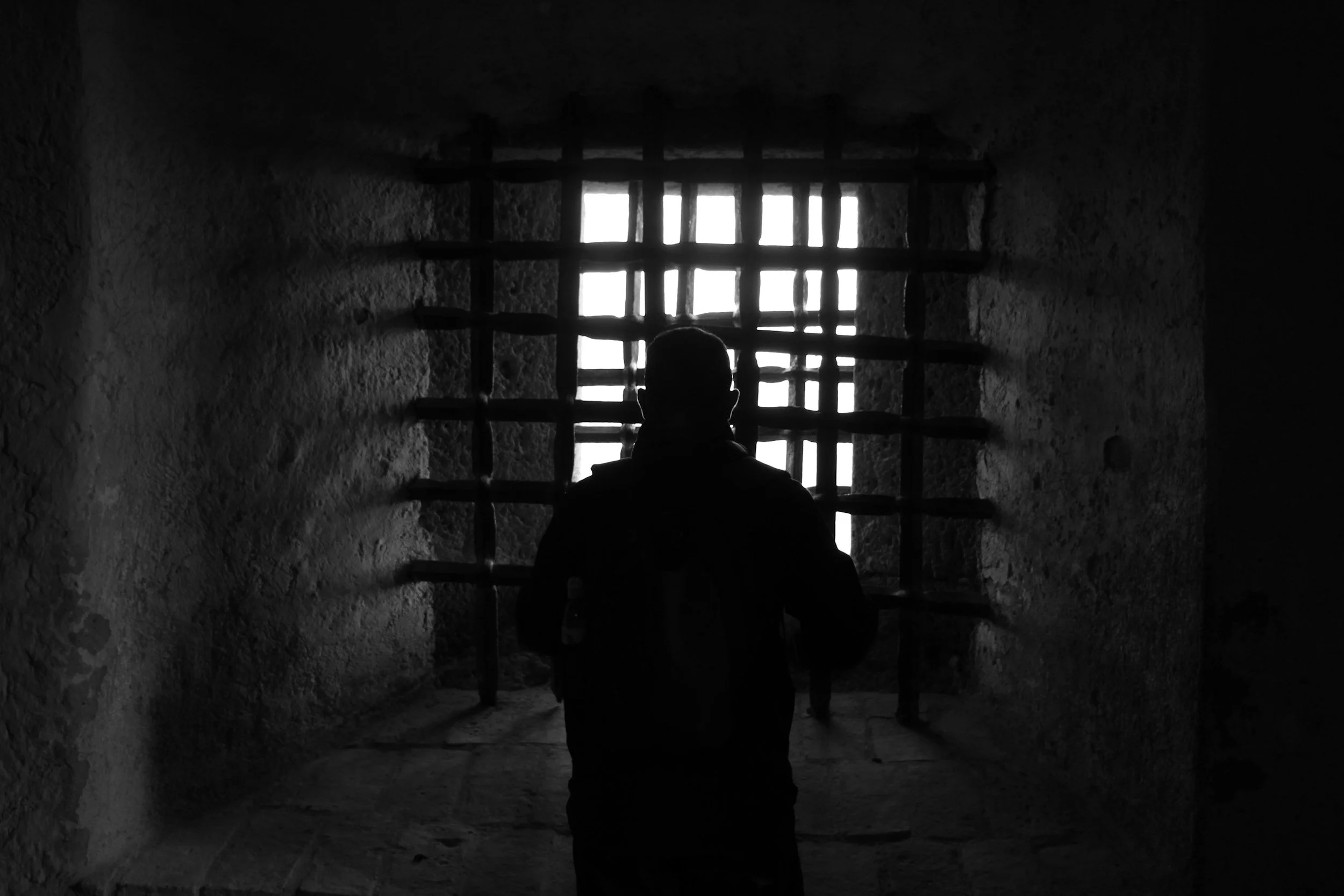
John, of course, was beheaded. But this was only made possible due to his arrest and imprisonment. So it is the cause of his arrest that we end this short series.
The authorities kept a watchful eye on John the Baptist. They sent Pharisees and Sadducees to spy on this growing movement, but did not make any move to thwart his ministry.
Spiritually, though, their position was quite clear, ‘The Pharisees and the lawyers rejected the purpose of God for themselves, not having been baptised by John’ Luke 7v30
The domestic political power structures in Israel existed within the framework of the Roman Empire, headed by Pontius Pilate. Under Roman rule, the Jewish ruling council, the Sanhedrin, consisted of chief priests, elders, and scribes belonging to one of two religio-political streams: the Pharisees or the Sadducees.
Herod Antipas, son of Herod the Great, had jurisdiction over part of Israel, and it was Antipas who arrested John. John was permitted to preach to the people in general about sins and forgiveness and carry out baptisms. The promise of a Messiah to arise was somewhat disturbing, but this wasn’t the first time a Messiah figure had been heralded. None of this unduly moved Herod, or the Sanhedrin, or Pilate.
However,
‘Herod arrested John and bound him in prison for the sake of Herodias, his brother’s wife, for he had married her; John had said to Herod ‘It is not lawful for you to have your brother’s wife’’ Mark 6v17,18
The general morals in Roman and Jewish society at the time may have excused Herod, or they may have turned a blind eye, or shrugged and said quietly, ‘the rich and powerful make their own rules’, and so on. Divorce was commonplace. It happens. Why object?
Is good judgement formed around the prevailing moral fashions of the age we live in, or by the law of Moses?
What is the basis of our sense of right and wrong? Our moral standards – where do they originate?
Paul, when considering the Law of Moses, wrote ‘the law is holy…and just, and good’ Romans 7v12
This is not the place to write at length about the replacement of the law with the ‘newness of the Spirit’ v6. Suffice to say, however, the law is good, but it can’t produce the righteousness it demands of us; it really serves to highlight our inability, through sin, of keeping to any moral code, especially the law (of Moses).
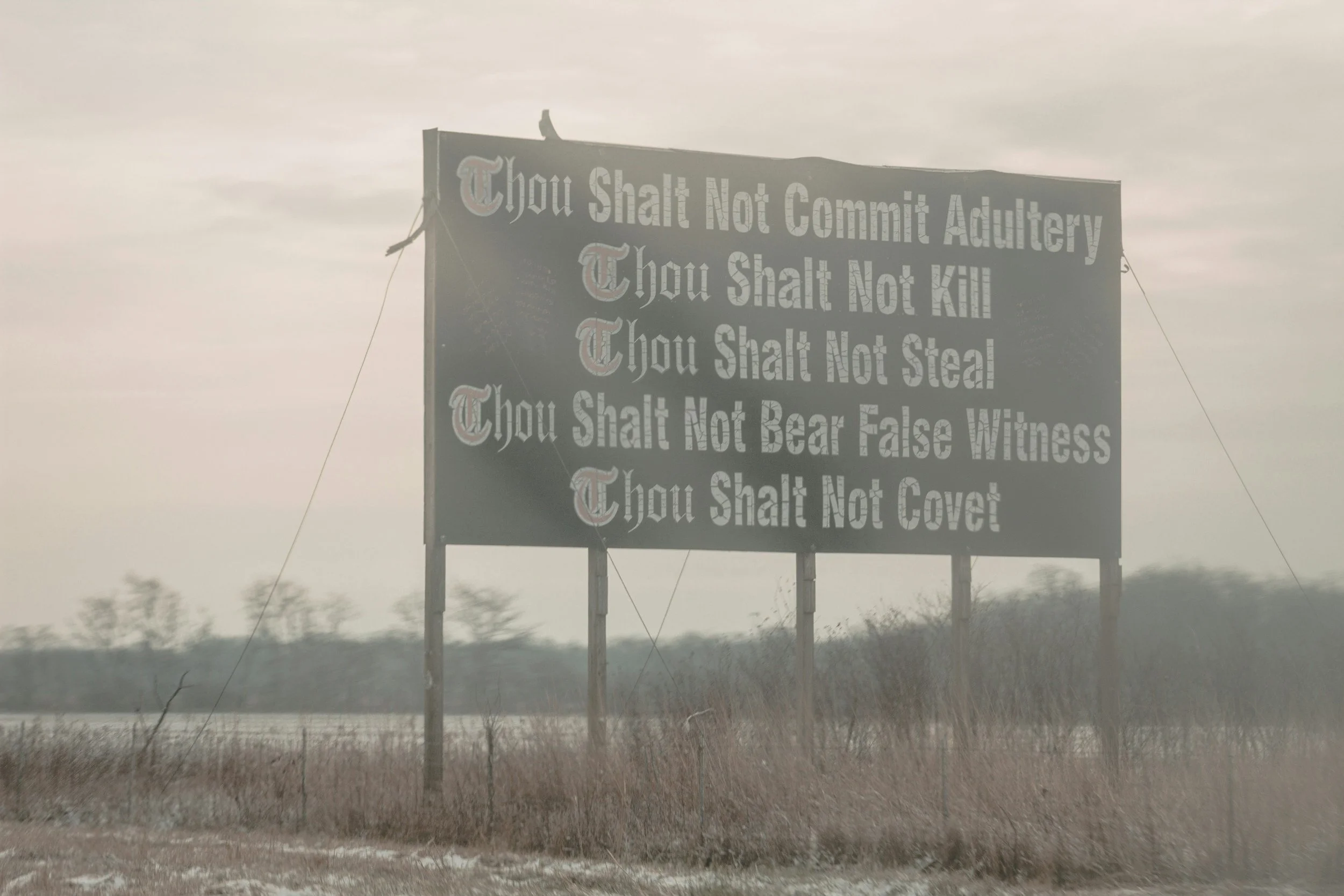
In Britain, for some years, the phrase ‘British values’ has been used as a precis of our uncodified constitution built around ‘fair play, common decency, free speech, democracy’ and so on. This is a mirage. Those elements of our unwritten constitution have been forged over centuries in the fire of the Law of Moses and the Commandments as summarised by Jesus in the New Testament. ‘British Values’ is a misnomer. If we have any values, they are enshrined in the Ten Commandments and other laws contained in the Law of Moses as written mainly in Leviticus and Deuteronomy.
Even the avowed atheist Richard Dawkins has, in recent years, acknowledged the role of Scripture in shaping his moral outlook, what he considers right and wrong. Now he calls himself a ‘cultural Christian’, recognising the debt he – and all of us - owe to the Bible.
When John applied the moral standards of the Law to Herod, not the moral standards of the day, and called him to repentance, it cost him his freedom - and his life.
As we meditate on the Law, it will challenge us whenever we attempt to take the throne away from Christ. I have sometimes likened the Christian life as losing every argument with Jesus. Thank God.
In matters of money, sex, and power, our faith will be tested and we may fail. But our faith cannot be in ourselves, our ability to obey the law – that is the flesh again attempting to be in charge. No, we must walk in the Spirit.
‘But now, we have been delivered from the law, having died to what we were held by, so that we should serve in the newness of the Spirit and not in the oldness of the letter’ Romans 7v6