Limits to Free Speech and the Case of Alaa Abd el-Fatah
When pro-Palestine marchers chant ‘Free Palestine from the River to the Sea’ – they are expressing opposition to the State of Israel and expressing an anti-Zionist viewpoint that calls for the elimination of Israel.
To be clear, they are proposing a one-state solution. Hamas, Hezbollah, and the Houthis, ISIS and all other aligned forces are not seeking peace with Israel and a two-state solution. Their aim is two-fold (i) to eliminate Israel and (ii) form a one-state solution called Palestine, within which Jews would have their rights of self-determination revoked.
The unholy alliance of far-left Marxists – who oppose Israel, believing it to be a colonial outpost of capitalist America, and militant Muslims – who oppose Israel on ideological grounds, is antisemitic and, essentially, genocidal in its political vision.
Now we have the case of Alaa Abd el-Fatah, who has apologised for his hateful antisemitic and anti-British comments. Two main political parties, the Tories and Reform, have called for him to be stripped of his British citizenship and deported.
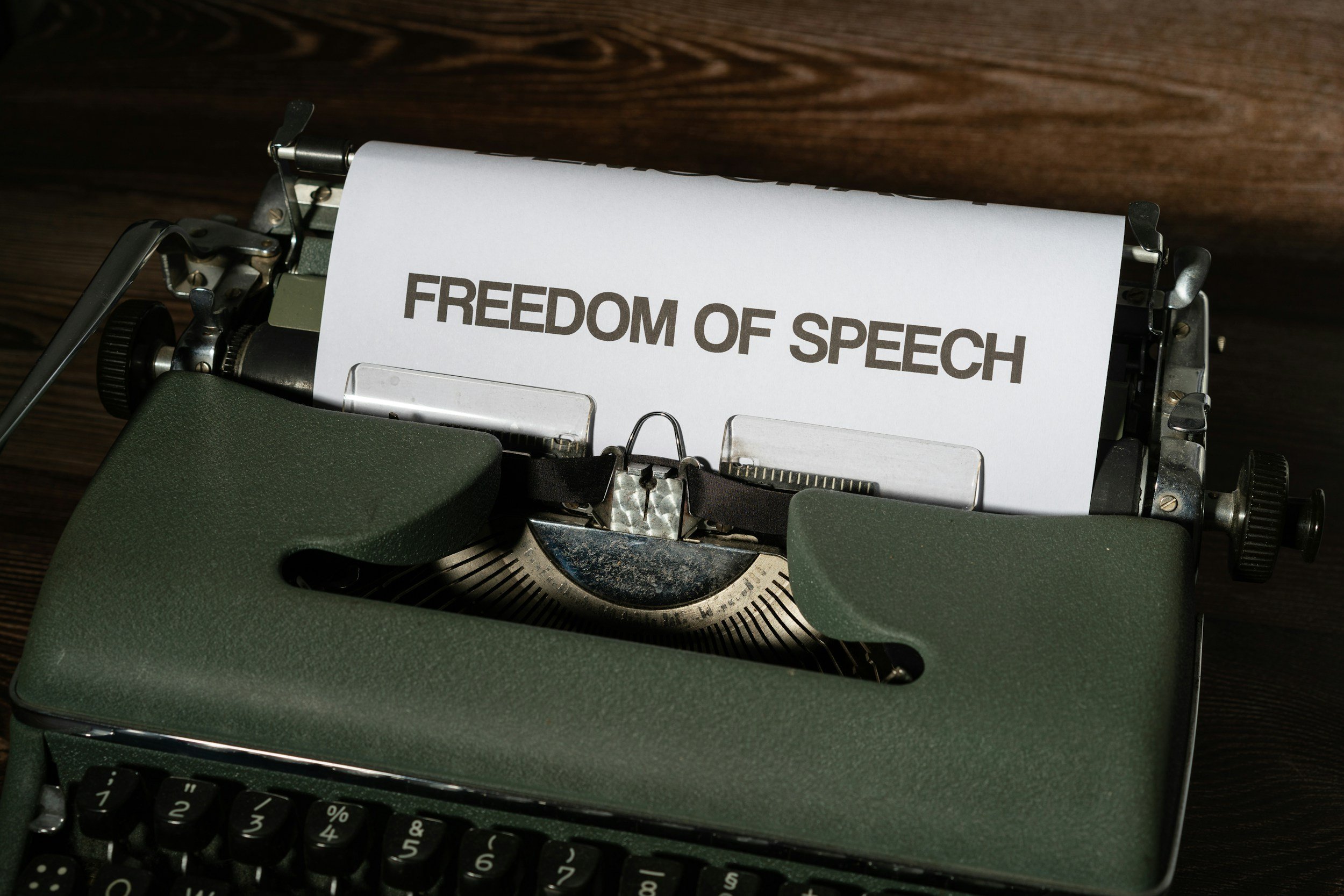
However his case is resolved, the combination of the pro-Palestinian marches, el-Fatah’s comments, the attack on the synagogue in Manchester, and the conviction of two Muslim men, Walid Saadaoui and Amar Hussein, who planned to kill as many Jewish people as they could in a gun attack in Manchester, is forcing a review of the limits of free speech and citizenship rights. The brutal killing of Jews on Bondi Beach in Australia on December 14th shows how urgent these matters are.
Free speech
Should free speech be curbed if the purpose of the message is to limit the free speech of others, for example, calling for the death of Jews or the police?
Citizenship
And should citizenship rights be withdrawn from those who are clearly promoting hatred of Britain, sedition, and the overthrow of the State
These are questions facing Britain, and, specifically, the Prime Minister, Sir Kier Starmer.
The bible tells us to pray for all those in authority. This is such a time.
Prayer is not a weak response. It is the expression of unease, grief, anger, frustration, and a longing for justice brought before the throne of God, the ultimate authority. We may kneel, or stand, or raise our hands to heaven – all are in the Bible and reflect differing humble attitudes on behalf of the person praying. We may pray in silence or raise our voices.
Prayer is not a one-way street; it’s a dual carriageway. Who put that unease in your heart to cause you to pray? We should not be surprised if God speaks. Jesus said, ‘My sheep know My voice’. Sometimes that voice can be loud, but often it’s a small, quiet voice we hear in our hearts, often accompanied by a sense of peace even in the most trying of circumstances.
He is not far off. He is near. In fact, the Bible teaches that He will be found when we seek Him with all our hearts. Let’s open our hearts and pray.